


HORIZON EUROPE IM4CA project
Project
Structure
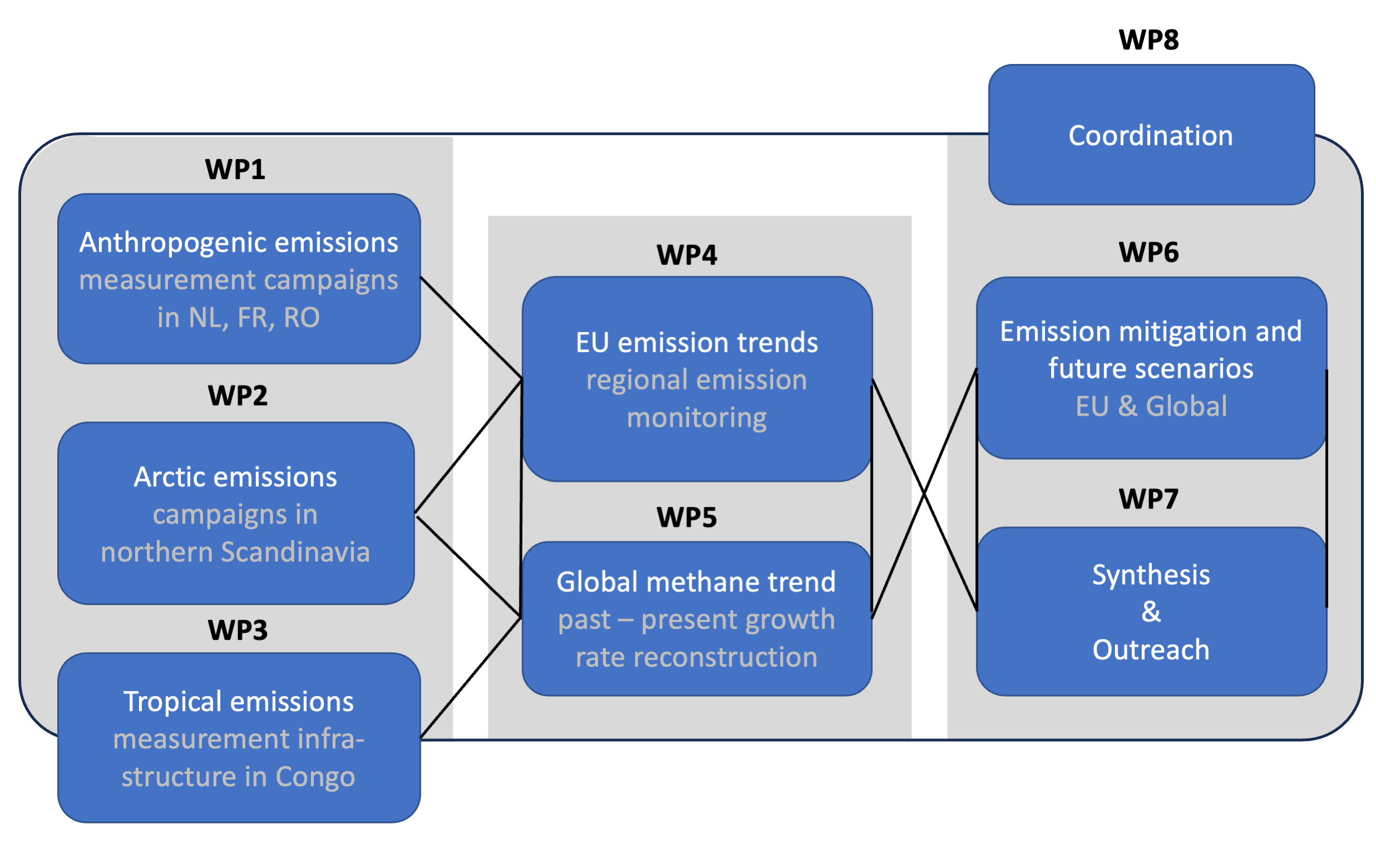
The IM4CA activities are organized in 7 scientific Work Packages (WP’s) that are carried out in parallel under coordination of WP8.
Work Packages
WP1
Anthropogenic emission
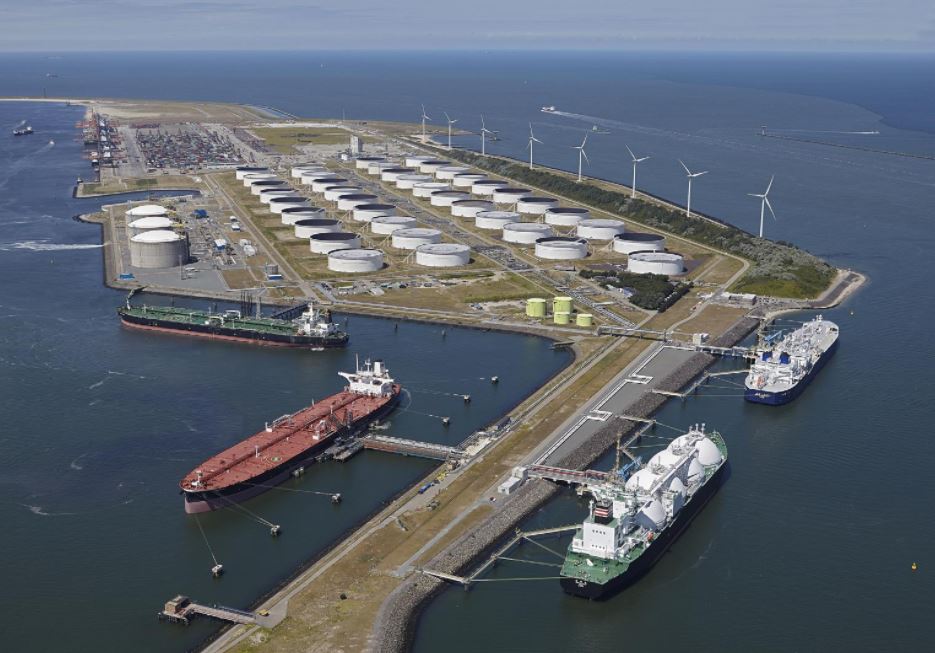
The objective of WP1 is to develop new mobile infrastructure for measuring local sources of methane with uncertain emission factors (e.g. biogas and LNG production and storage facilities) and their temporal variations. An intensive measurement campaign will be conducted in Romania targeting strong local emissions from the fossil fuel mining (oil, gas, and coal) and waste management (landfills) sectors. Surface, airborne, and satellite measurements will be combined with high-resolution atmospheric modelling to develop advanced emission monitoring methods.

WP2
Arctic emissions
The objective of WP2 is to reduce uncertainties in regional to pan-Arctic upscaling of methane emissions from boreal and arctic wetlands. This is done by investigating the relation between methane emission variability with soil and vegetation properties at landscape scale by conducting in situ and airborne measurement campaigns in northern Scandinavia. The outcomes support the use of new satellite measurements in advanced data assimilation methods to improve the quantification and understanding of Arctic methane emissions.
WP3
Tropical emission
The objective of WP3 is to improve our understanding of regional methane emissions from tropical ecosystems in Africa, by setting up a new airborne and on-ground observation infrastructure in Congo in cooperation with local partners. The measurements are used to improve the process modelling of methane emissions and validate existing satellite sensors. Both activities support the development of a regional atmospheric inverse modelling system that will be used to quantify the methane emission from Congo.

WP4
EU emission trends
The objective of WP4 is to reconcile and improve emission inventories of European methane emissions using measurements from the Integrated Carbon Observing System (ICOS). This regional greenhouse gas monitoring network will be extended further east, by investigating suitable monitoring locations in Poland and Romania and setting up new measurements. Furthermore, we will explore the use of methane isotopes by extending the central laboratory at the Max-Planck-Institute for Biogeochemistry in Germany with an IRMS for measuring methane isotopes in flask samples from the ICOS network. Regional inverse modelling systems will be used to evaluate trends in European methane emissions.
WP5
Global methane trend
The objective of WP5 is to improve the understanding of the global methane budget and the human influence since 200 years, using measurements from methane isotopes and tracers like ethane that provide source specific information. We will use advanced chemistry transport models to investigate interannual variability and trends in the oxidation capacity of the atmosphere, which drives the lifetime of methane. The outcomes will be combined with the available surface and satellite measurements in inverse modelling systems to reconstruct the emissions in the past decades and assess the progress towards the targets of the global methane pledge.

WP6
Emission mitigation and future scenarios
The objective of WP6 is to improve the understanding of future methane mitigation scenarios and costs, the associated impacts on the atmospheric chemistry, and short- and long-term radiative forcing. Effective mitigation scenarios will be generated for global and European methane emissions from the energy use, livestock, and waste sectors, supporting the implementation of the Global Methane Pledge. Emission projections of methane and co-emitted species will be used to improve future scenarios of the climate forcing of methane by assessing feedbacks on atmospheric chemistry for use in the next IPCC assessment.
WP7
Synthesis & Outreach
WP7 synthesizes regional and global emission estimates delivered by IM4CA WPs 1-6 into the “IM4CA view” on European and Global methane emissions for dissemination to external stakeholders. It will develop an environment for archiving project outcomes and benchmarking model performance against independent data on the ICOS Carbon Portal accessible to external users. The project outcomes will be used to improve the representation of methane in the CAMS operational monitoring system for greenhouse gases. WP7 engages the international scientific community in the activities and plans of IM4CA and transfers knowledge to political stakeholders.


WP8
Coordination
his task takes care of the financial and scientific management of the IM4CA project. It coordinates the cooperation and information exchange between work packages, monitors the timely delivery and quality of project outcomes, and facilitates the archiving and public access to project output (dataset, reports, publications, presentations, etc.). WP8 organizes project meetings and communicates project outcomes to scientific and political stakeholders, as well as anyone who’d like to learn more about methane.